
The term OEM is very popular among Asians, but it is relatively unfamiliar in Europe and the United States. Many Europeans and Americans find it difficult to imagine that a product of one brand is actually manufactured by another company. From the perspective of the product itself, it is difficult for brand companies to control the quality of products produced by other companies; from a design perspective, wouldn't design concepts and techniques be learned from them? From an OEM company's perspective, there is no reason to work so hard to manufacture a product only to have the profits go to the brand company.
Asians all know the answers to the questions raised above, so I won’t explain them further. Today I want to talk about the relationship between PM (Project/Product Manager) and PMO (Project Management Office).
In the past, all projects were shouldered by the PM. Therefore, PMs are the company's most important resource. As we all know, PM needs to be very familiar with the product; understand and handle all problems in the project and the direction of the product and project; and lead the team to complete the project. Therefore, the PM role is mostly promoted by senior engineers who are very familiar with the product.
However, product expertise (science) and project management (liberal arts) are completely different fields. Finding an engineer with both product expertise and project management qualities is difficult. It's a bit like trying to find someone who's good at both painting and music.
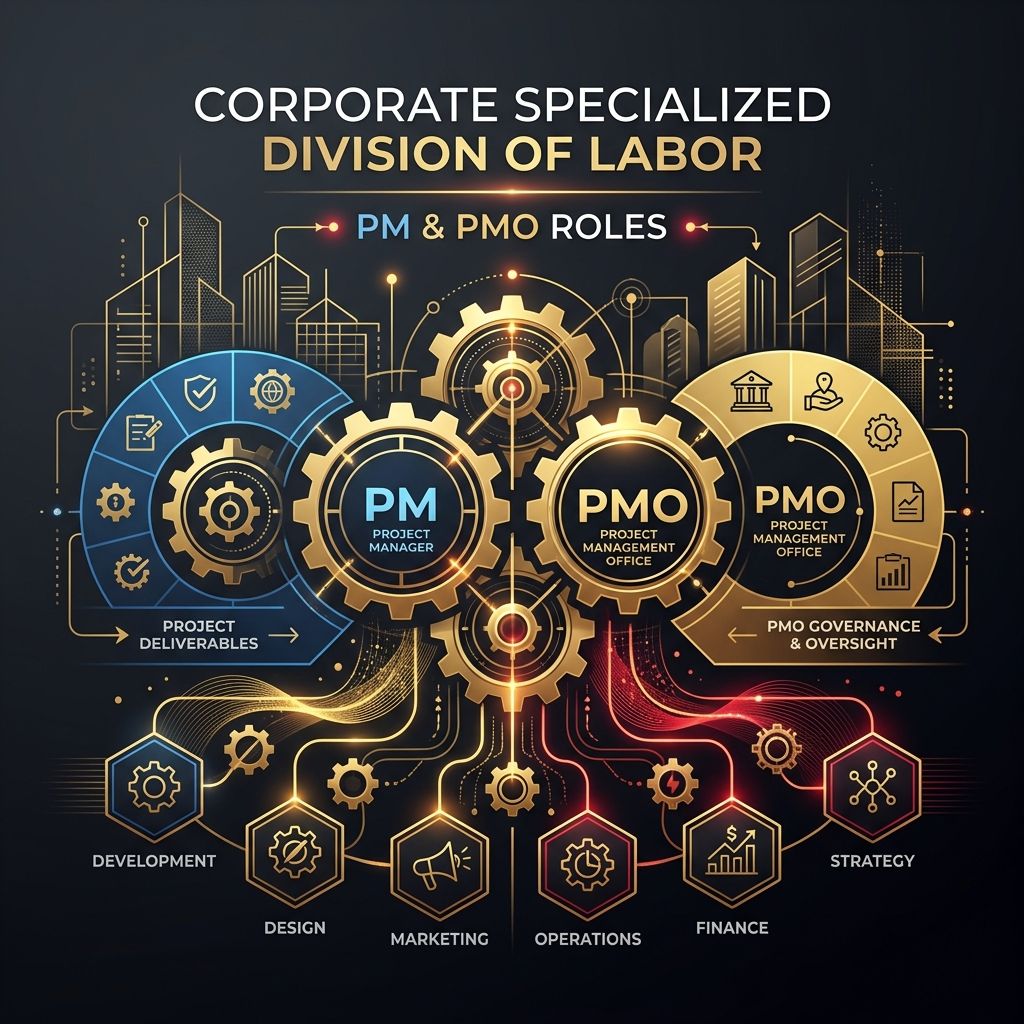
The birth of PMO made us think about whether we have the opportunity to separate "product production technology" and "project management itself" and turn them into two professional jobs. As the ultimate owner of product delivery, the PM works on both the product requirements and the production method itself. However, PMP professional tasks such as internal project communication, resource allocation, problem management, and project execution methods (methodology), such as resolving internal disputes, tracking progress, reporting work items, etc., can be handled by the PMO.
Just like the OEM will not take away the brand of the brand company, the PMO will not and cannot compete for the credit of the PM. The PM still has the final say and the power to determine the direction of the product. The PMO just helps the project run more smoothly. Since there is no burden of product expertise, the PMO can devote its professional capabilities to improving project management capabilities and serve more different types of products in the future.
When many people learn Agile methodology, they often ask whether the PM role in PMP should be product manager or Scrum coach. I'm not going to join this debate (in fact, I heard most people say that there are more product managers). But I think that today, when project management is becoming more professional, professional capabilities and management capabilities should indeed be split into two different roles. This is best for the project itself.
Just like Taiwan has worked hard for decades to spread the concept of OEM to the world, I also hope that the concept of PMO can be spread to every enterprise. As I always say: project management is a profession in itself!