Many leaders in the world now emphasize "pragmatism" and "realism" in their political behavior. This often makes people mistakenly think that this is the right political path in line with modern trends. Even the people are accustomed to using this method to achieve their goals. They believe that it does not matter what the means are, as long as the goal is achieved in the end, even if it violates the long-established ideology and national image.
For example, using state machinery to attack political opponents, control the media, and suppress free speech may seem effective in the short term, but they are actually very short-sighted and short-sighted ways of governing.
"The gentleman is poor, but the villain is poor." ("The Analects of Confucius: Wei Linggong"), which means that just because the country is facing an economic crisis, we should not abandon basic principles such as currency, credit and international justice to speculate. When facing challenges, choose to take advantage of the situation. If you are poor, you will change, and if you change, you will be crooked.
Since Taiwan removed "The Analects of Confucius" from Chinese language and social education, almost no one in Taiwan's public opinion and media is discussing what a gentleman is. What is a gentleman? This question may require reading half of the Analects to answer it completely, but to put it simply: a gentleman is a person who adheres to principles and values morality. Even in the face of huge temptations of interests or extreme difficulties, he will not violate his conscience and act openly and consistently.
"A gentleman is known as righteousness, and a villain is known as benefit" ("The Analects of Confucius: Li Ren"), which means that for the sake of their own political future, some political leaders in island countries cannot abuse the judiciary in an attempt to eliminate political opponents, completely forgetting that the "righteousness" that should be defended most is to adhere to party politics and democratic ethics. (Don’t make random assumptions, I’m talking about the President of the Philippines) “If a person has no faith, he doesn’t know what to do” ("The Analects of Confucius: Governance"), which means that government orders cannot be changed overnight, let alone tell lies, otherwise the people will not believe that you can do anything in the future.
I would not directly equate "pragmatism" and "realism" with the "little man" in the Analects. I would just say that wise men two thousand years ago had used the image of "gentleman" to clearly explain the methods and principles of how a person should be respected and trusted, and to clearly guide everyone on what to do is right and good.
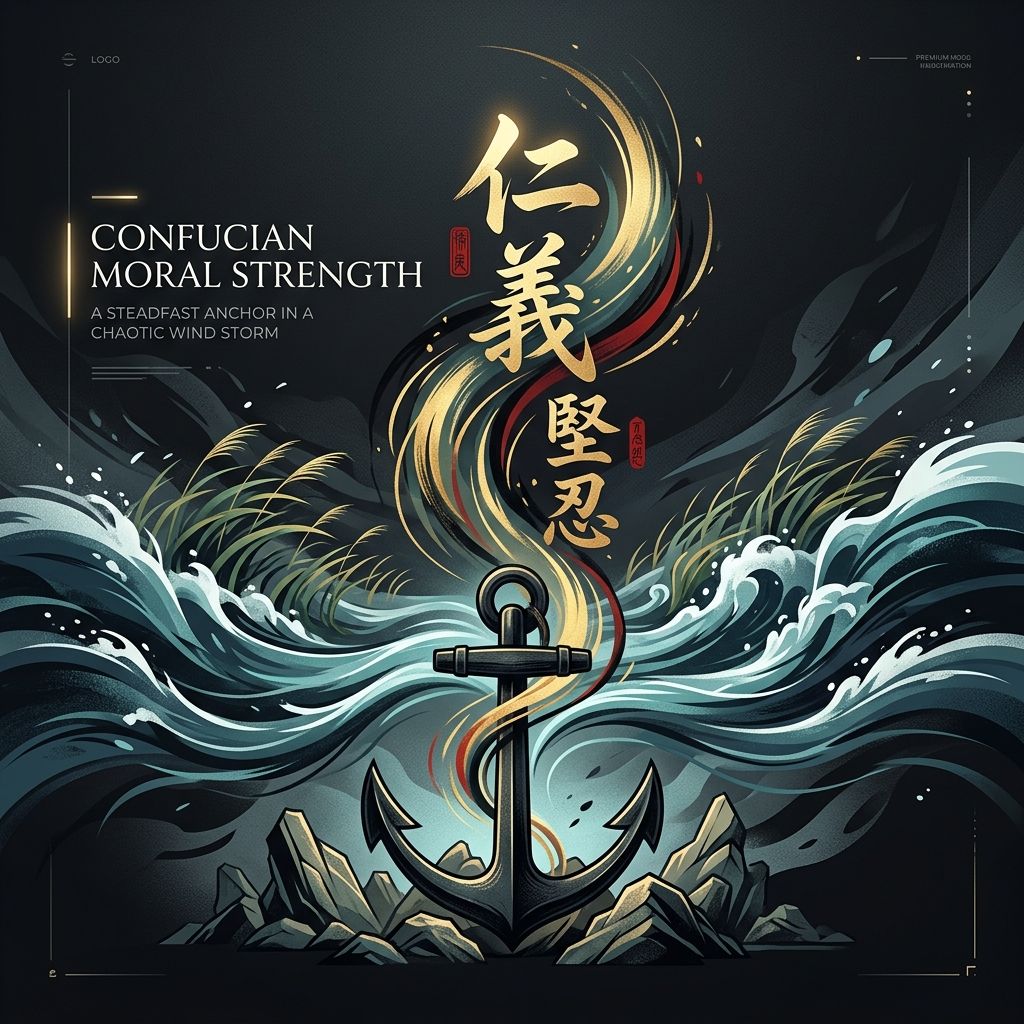
"The virtue of a gentleman is like the virtue of a villain. The wind on the grass will destroy it." When populist leaders in other countries around the world have some strange political behaviors, I wonder what negative impact their behavior will have on the future? As a member of Chinese culture, we can use "The Analects" to examine their behavior, and then let ourselves become the "wind" in this chaotic situation, and let the principles we adhere to force the wallflowers to bow their heads.
Even if I don’t say that the Analects describes the correct behavior and way of thinking for a person, even if we only look at it from a realist point of view and follow the content of the Analects, we can extremely accurately predict the political trend after this "ungentleman behavior".
The complete removal of the teachings of the Analects of Confucius from the youth education in Taiwan today essentially deprives these young people of a psychological and ideological anchor when they face the current storms in the future, leaving us Chinese descendants in Taiwan to be unstable in the turmoil of the world. Is this ignorance of the value of the world's treasures of knowledge by the committee members who originally formulated the new curriculum, or does it have some other evil purpose?