MES Design Philosophy
No matching articles found
Please try other keywords, such as 'Architecture', 'Platform', 'Database' or 'Logic'!
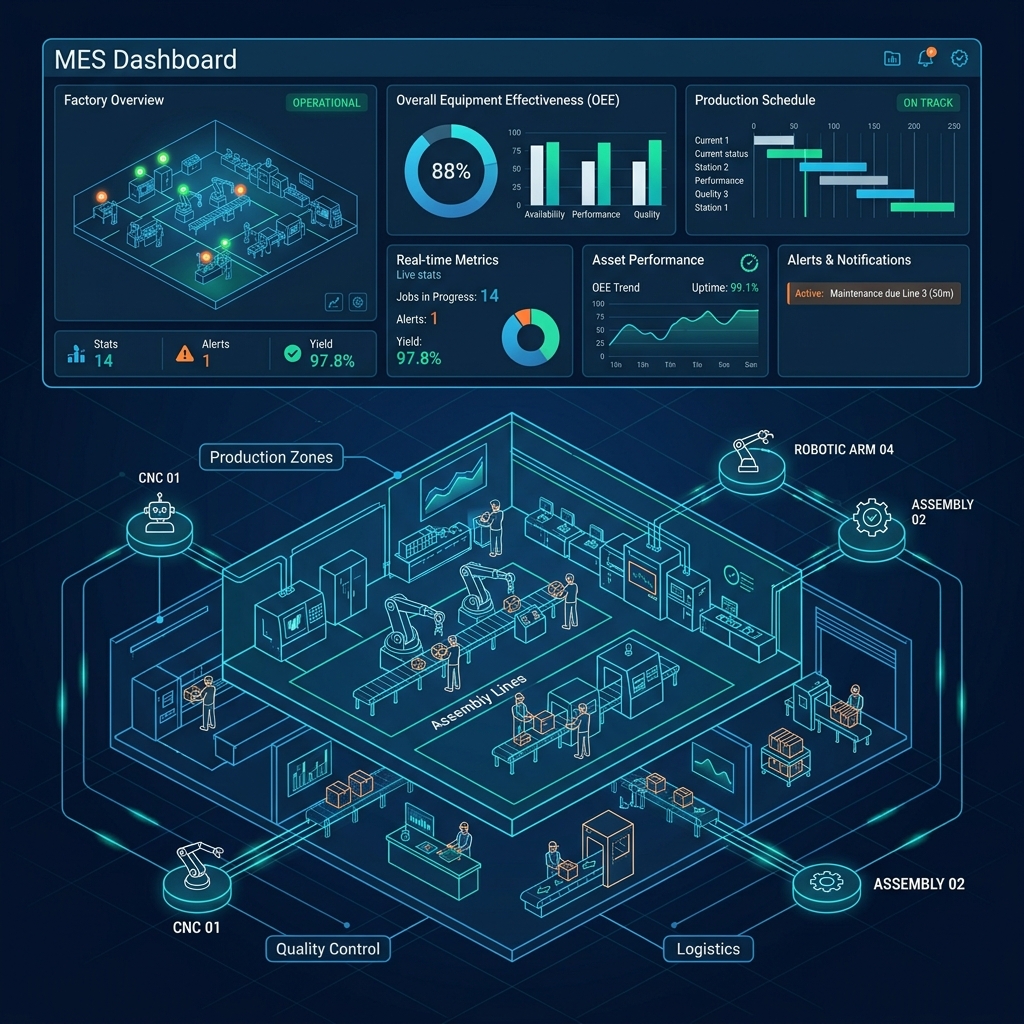
The Source Code Trap: Why "Owning the Code" Is Never the Decisive Advantage in MES Success
Deconstructing the dangerous myth of "source code freedom." Behind software lies process discipline and data governance; IE standards are inviolable world axioms, manufacturing logic belongs in configurations with rigorous review, and frontend ergonomics require zero code modification. Never mask managerial failure with code patching.
Don't Build AI Skyscrapers on Mud: Forgotten Big Data and the True Foundation of Factory "Prediction"
While manufacturing rushes after AI capacity forecasting and dynamic yield prediction, the fundamental bedrock of Big Data has been forgotten. An architectural analysis of how timing distortion, coarse defect codes, and master data drift destroy AI algorithms, establishing MES as the essential data refinery.
A Weak Body Cannot Bear Strong Medicine: Why "Advanced" MES Can Become a Factory's Disaster
Starting from the Configuration-Driven (Config-Driven) architectural essence of MES, this article explores three real-world cases—Product Family inheritance, rigid QC limits, and distorted shop-floor data—to examine the essential balance between manufacturing maturity and digital systems.
Next-Gen Evolution of MES: Strategic Transformation from "Production Execution" to "Data-Driven Factory Management"
Many enterprises treat MES merely as a digital sign-in book and data entry tool. This article explores four essential management paradigm shifts: from work order tracking to output prediction and exception guidance, from defect logging to quality intelligence root-cause analysis, from machine status monitoring to failure parameter correlation, and from tacit technician experience to a systemic knowledge base.

Why Implementing a Package MES is Usually Better Than Custom In-House Development
When planning an MES, companies face a choice between in-house development and purchasing a package system. This article analyzes the decision from economic, architectural, and organizational perspectives, explaining why a standard package platform is usually the best IT strategy.

Sneakers and LCD Screens: Brand Degradation Through Quality Compromise and Downgrade Sales
Through the dramatic price fluctuations of sneaker products and LCD screens over the past fifteen years, we explore the core philosophy behind premium manufacturing that 'never compromises on quality.' While low-cost promotion through downgrading may save costs, it inadvertently destroys the brand's premium value and sustainable R&D profit space...
Three Essential Architectural Forces for Modern MES Systems
In the wave of digital transformation in manufacturing, MES is the factory's core brain. But blindly pursuing functionality marks the beginning of disaster; enterprises should instead focus on foundational architecture. Only by possessing three core architectural platforms—database layer integration, logical layer flexibility, and flexible external connectivity—can future scalability needs be met.
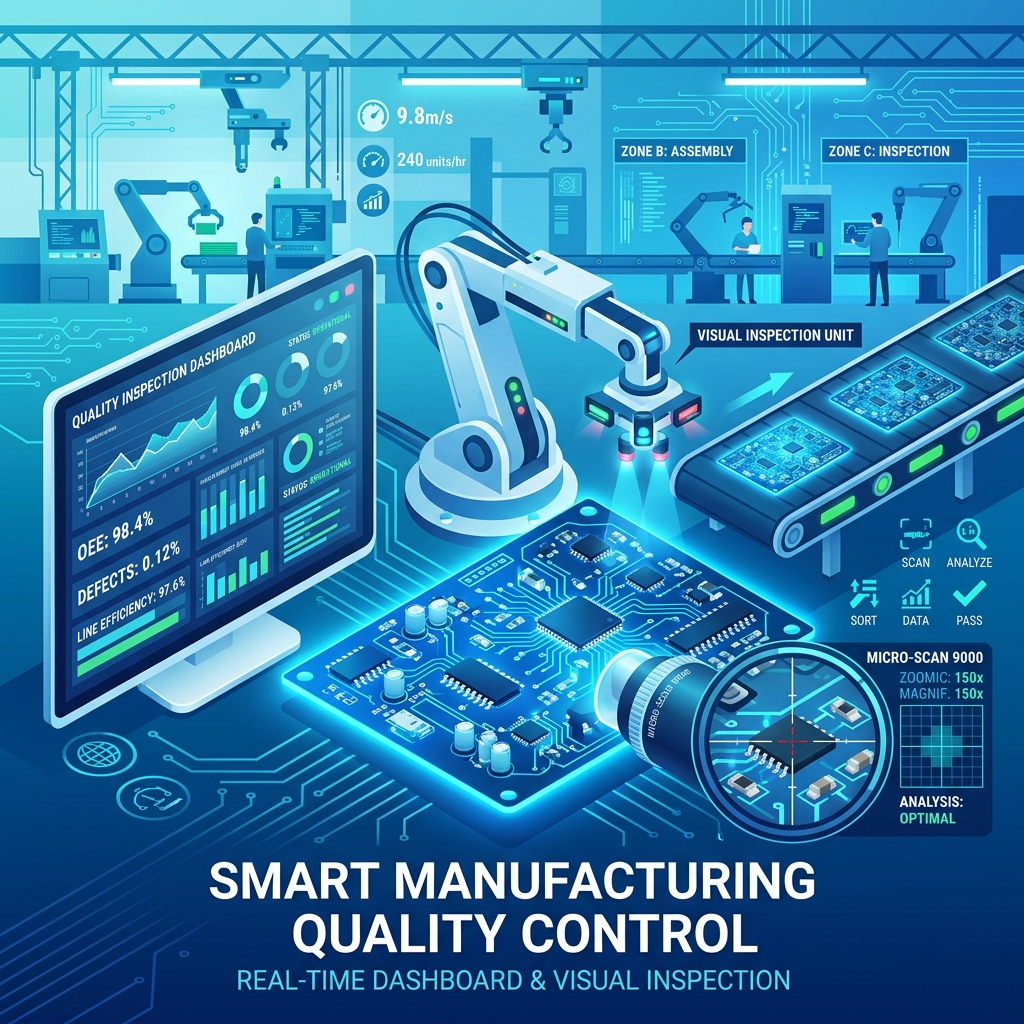
MES and Quality Classification (QIS)
Quality classification (QIS) is a practice of categorizing products by quality to enhance value. While combining QIS with MES and dual control boundaries can improve detection accuracy, this fundamentally conflicts with the principles of comprehensive quality management (TQM) and lean production's preventive and root-cause improvement approaches...
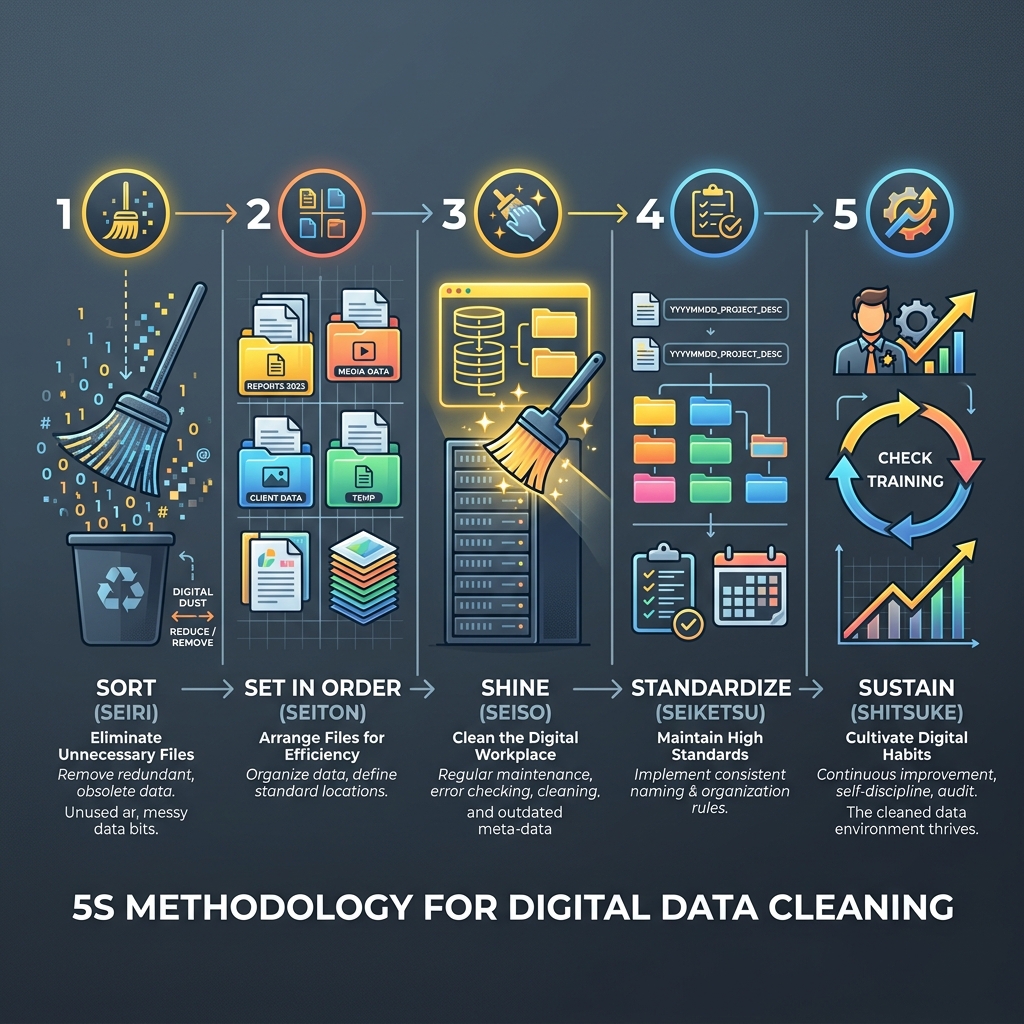
Maintaining Master Data Using the 5S Mindset: Organizing, Consolidating, and Cleaning Smart Factory Master Data
This guide introduces the 5S (organize, consolidate, clean, maintain, sustain) mindset from lean production into master data management (MDM), systematically addressing database bloat and data chaos issues, laying a solid foundation for the smart manufacturing brain...